
Why Trailer Hubs Get Water in Them (and How to Stop It)
You pull the cap off a trailer hub and milky oil or gray, watery grease comes out. That hub has been taking on water, and the bearings are already paying for it. Water is the most common reason trailer bearings fail early. The good news: the way it gets in is well understood, and it is preventable. 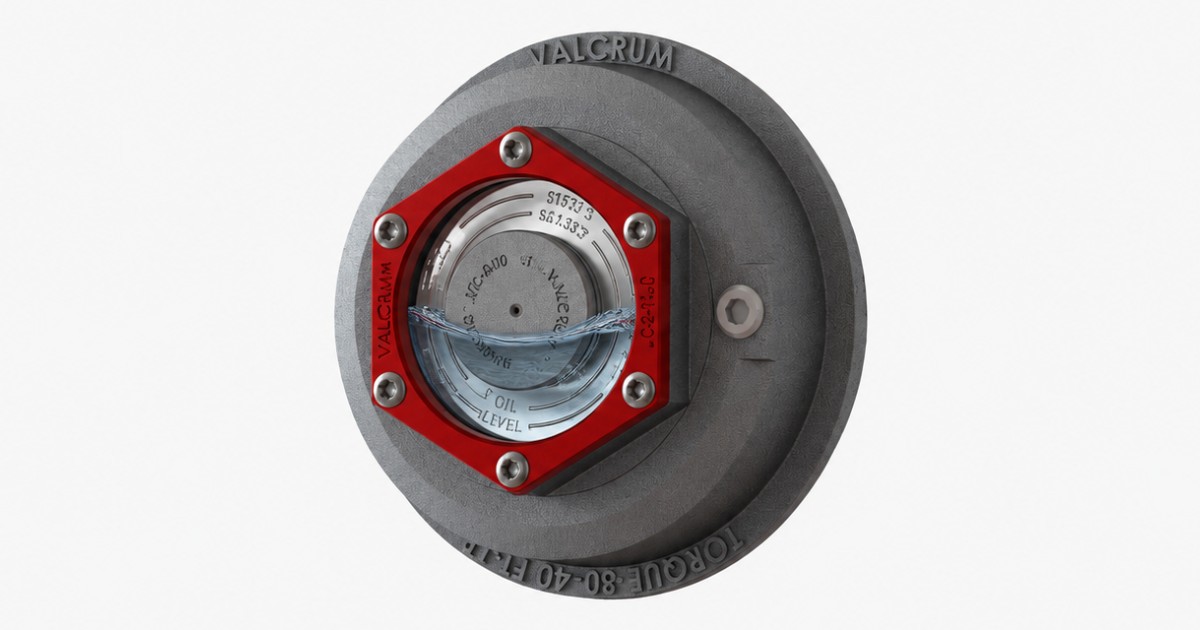
How water gets into a sealed hub
A trailer hub is supposed to be a closed space. The inner seal closes the back, the hub cap closes the front, and the oil or grease stays inside. So how does water get past both? The answer is temperature.
- The hub heats up on the road. Bearings, oil and the air inside the hub all get hot and expand.
- The hub cools suddenly. Backing a hot hub into a lake, driving through a flooded low-water crossing, or a cold rainstorm drops the temperature fast.
- The hub pulls a vacuum. As the air and lubricant inside contract, pressure in the hub drops below the pressure outside.
- Water gets sucked in. The hub equalizes through its weakest point: a worn seal, a cracked cap, a loose rubber plug, or a bad O-ring. Water and grit go with it.
This is why boat trailers are famous for bearing failures. But any trailer that sees standing water, pressure washing, or heavy rain can have the same problem.
Why a little water does a lot of damage
Water does not just thin out the lubricant. It attacks the bearing itself.
- Rust and pitting. Bearing rollers and races are hardened steel. Water etches them, and a pitted race grinds the next set of bearings too.
- Washed-out lubricant. Water emulsifies oil and breaks down grease, so the bearing runs closer to dry.
- Heat and seizure. A dry, rough bearing runs hot. Left alone, it can seize, spin on the spindle, or let the wheel come off.
One trailer owner on a boating forum described replacing a whole axle after water rusted out a bearing (c-brats.com). The cause turned out to be a small slit in a dust cap.
Warning signs your hub has water in it
- Milky, tan or cloudy oil in an oil bath cap window
- Water or rust-colored liquid when you remove the cap
- A hub that feels much hotter than the others after a drive
- Grinding, humming or a rough feel when you spin the wheel by hand
- Oil or grease streaks on the inside of the wheel
If you see any of these, pull the hub, clean it, and inspect the bearings and races before the next trip.
How to keep water out
1. Let hubs cool before launching. Give a hot hub 15–20 minutes before it goes in the water. It shrinks the temperature swing that creates the vacuum. 2. Replace worn inner seals. Water that gets past the back seal never touches the cap. Replace seals any time the hub is off. 3. Use a cap that actually seals. Many factory caps are plastic. Plastic gets brittle from sun and road chemicals, cracks when overtightened, and the rubber center plug loosens over time. Each of those is a door for water. 4. Check the cap every trip. Look for cracks, cloudy windows, loose plugs and seeping around the O-ring.
Where Hydro-Shield fits
Valcrum designed the Hydro-Shield aluminum hub caps around this exact problem.
- Waterproof aluminum body. Keeps water and grit out instead of cracking like plastic.
- Clear viewing window. Check oil or grease level and color without removing the cap, so you spot milky oil early.
- Side fill and drain port. Top off or drain lubricant without opening the cap and exposing the bearings.
- Magnetic fill/drain plug (HS-2875). Pulls metal particles out of circulation.
- Anodized aluminum with E-coat. Built to stand up to rain, sun, salt and snow.
- Works with oil bath or grease hubs.
- Tested to over 1 million cycles and backed by Valcrum’s hub cap warranty.
Hydro-Shield caps are a direct-fit replacement for factory caps, O-rings and plugs on select axles from 6K to 16K. Not sure which one fits? Use the Valcrum Product Filter or call (281) 407-0603.
FAQ
Can I drive with a little water in my trailer hub?
Not for long. Water starts rusting bearings right away. Drain it, clean the hub, inspect the bearings, and fix the leak point before your next trip.
Why is my oil bath hub oil milky?
Milky oil means water has mixed with it. The usual causes are a worn inner seal, a cracked cap, or a loose center plug.
Do boat trailers need special hub caps?
Boat trailers get dunked often, so the cap and seals must stay sealed through hot-to-cold swings. A sealed aluminum cap with a window lets you check for water at the ramp.
How often should I check my hub caps?
Look them over before every trip, and check the lubricant level and color at least monthly in towing season.